
What is the Detoxification of Human Body?
Detoxification or detoxication is the physiological or medicinal removal of toxic substances from a living organism, including the human body, which is mainly carried out by the liver. Detox diets actually remove toxins from the body. Indeed, the kidneys and liver are generally quite effective at filtering and eliminating most ingested toxins.
Detox diets that severely limit protein or that require fasting, for example, can result in fatigue
Detoxification, in its simplest form, is the process of removing toxic substances from your body. But it’s a term that gets thrown around a lot, often with misleading promises of quick fixes and miracle cures. So, let’s break down what it actually means, how your body naturally does it, and how you can support those processes without falling for the hype. Antibodies are protective proteins produced by your immune system. They attach to antigens — such as bacteria, fungi, viruses and toxins — and remove them from your body.
Think of your body as a complex, self-cleaning machine. It’s constantly working to filter out waste products and harmful substances. This is primarily the job of your liver and kidneys, but other organs like your lungs, skin, and intestines also play a role.
Top 10 Ways To Clean Body Naturally

you can cleanse your body daily with these diet supplements and lifestyle practices
- Eat plenty of fiber, including brown rice and organically grown fresh fruits and vegetables. Beets, radishes, artichokes, cabbage, broccoli, spirulina, chlorella, and seaweed are excellent detoxifying foods.
- Cleanse and protect the liver by taking herbs such as dandelion root, burdock, and milk thistle, and drinking green tea.
- Take vitamin C, which helps the body produce glutathione, a liver compound that drives away toxins.
- Drink at least two quarts of water a day!
- Breathe deeply to allow oxygen to circulate more completely through your system.
- Transform stress by emphasizing positive emotions.
- Practice hydrotherepy by taking a very hot shower for five minutes, allowing the water to run on your back. Follow with cold water for 30 seconds. Do this three times, and then get into bed for 30 minutes.
- Sweat in a sauna so your body can eliminate waste through perspiration.
- Dry-brush your skin or try detox foot spas/foot baths to remove toxins through your pores. Special brushes are available at natural products stores.
- What’s the most important way to detoxify? “Exercise,” says Bennett. “yoga or jump-roping are good. One hour every day.” as well as many other exercises with specific health benefits.
In this process in the human body gets rid of accumulated toxins
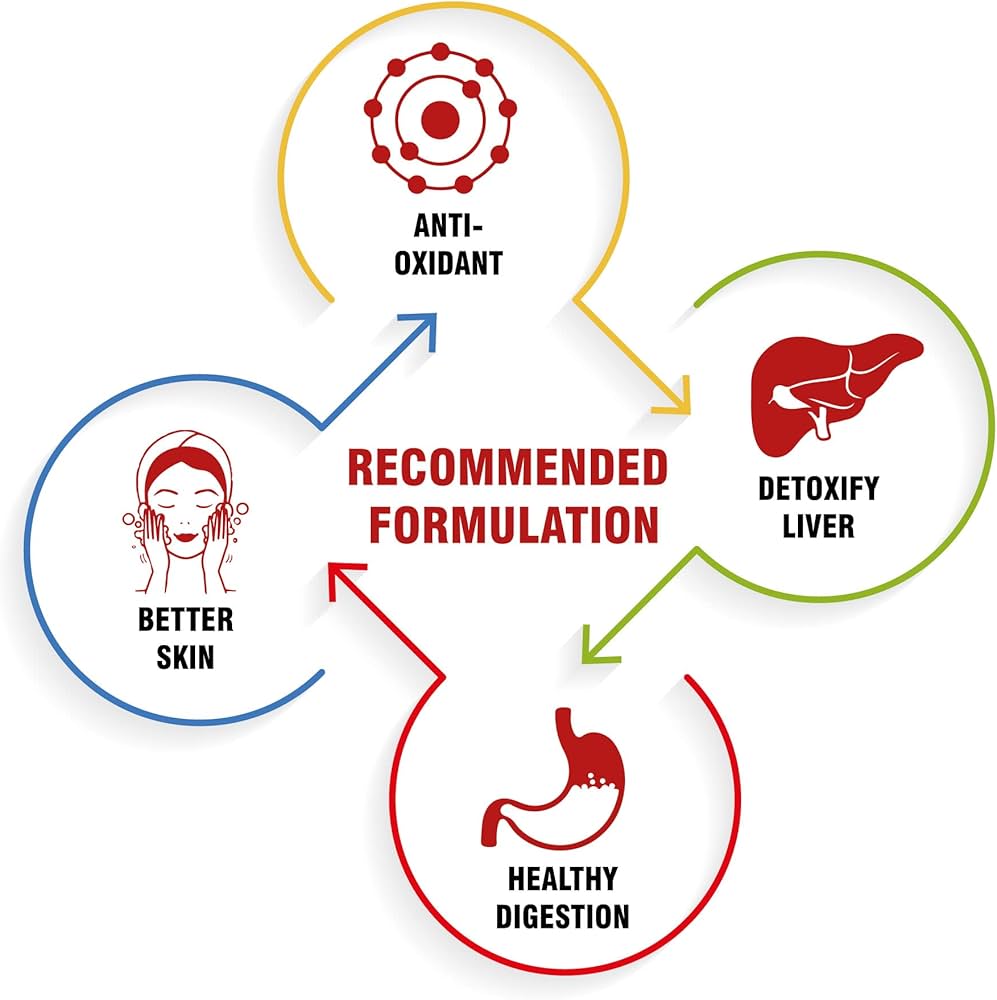
When detoxifying the body, you should not only avoid exposure to toxic substances, but also try to put your diet in order (reduce the use of processed foods, sugar, sweets, alcohol), increase the use of clean water. Complex sorbents based on plant components are also good helpers in activating the natural mechanisms of body cleansing: they improve intestinal health, support liver and kidney functions.
The effects on the body Organ
Liver
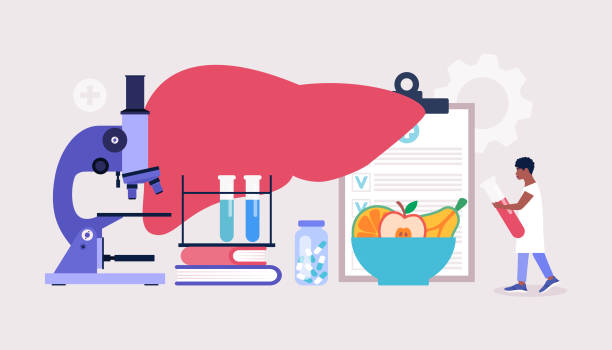
Liver – constantly working to neutralize harmful chemicals that enter from the outside and are formed in the body. By reducing the toxic load and providing the necessary support, we thereby help to reduce the stress that this organ experiences. Activation of the functioning of the liver as a whole leads to the normalization of metabolic processes in the body. Moreover, this organ is the main producer of many useful compounds necessary for the proper interaction of all systems of our body. Improving the functional state of the liver, we improve our well-being in general.
Intestine
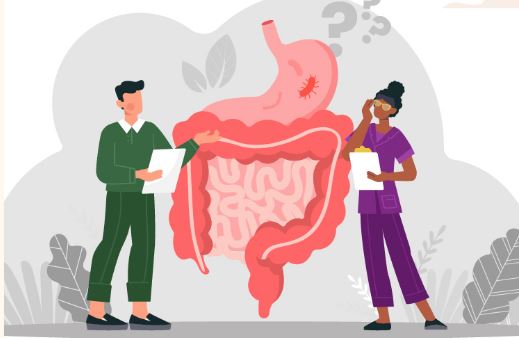
The intestine is the main organ through which toxins enter our bodies. People who have problems with the intestines, such as imbalance in microflora, diarrhea, bloating, often suffer from a syndrome that leads to impaired absorption of nutrients and to increased absorption of toxins and toxins.
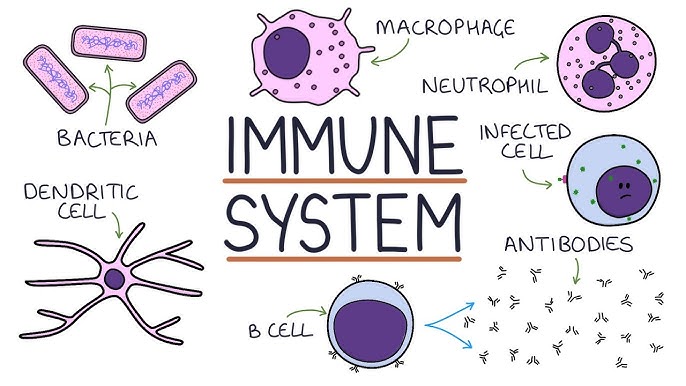
The immune system – harmful chemicals that did not manage to be disposed of in time, can harm the immune system, causing a decrease in protective reactions and, as a result, the development of local inflammatory reactions in all organs and systems of our body.
Skin

Skin is an indicator of the degree of toxic pollution of the body. This is the largest organ of the body, taking part not only in the physiological processes of regulating heat transfer, protecting the skin from drying out, but also actively removing salts, toxins, and toxins. If we observe an excessive presence of toxins in the body, and the skin is unable to cope, then this leads to a change in skin color, it becomes dull, pale, various rashes appear, pore size changes.
Kidney Health
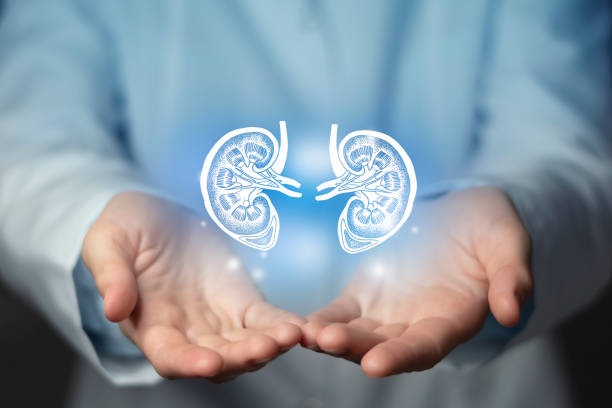
Kidneys – the optimization of the work of this body can be aimed at normalizing filtration processes, due to the volume of fluid consumed. If we want to accelerate the elimination of toxins, then we increase the volume and frequency of fluid intake, which will allow us to reduce the toxic effects of harmful substances and increase their solubility, thereby preserving the organ in good functional condition.
Benefits In Sugar
Detoxification from sugar, while not a medical term for toxin removal, signifies a dietary shift towards minimizing added sugars, yielding substantial health benefits.
1 This process involves consciously reducing consumption of processed foods, sugary beverages, and refined carbohydrates, fostering a more balanced approach to nutrition. 2 One primary advantage is improved energy stability; by mitigating the sharp spikes and subsequent crashes associated with sugar consumption, individuals experience sustained vitality throughout the day. 3 Furthermore, sugar reduction plays a crucial role in weight management. Lowering caloric intake from added sugars contributes to weight loss or maintenance, while also curbing cravings that often lead to overconsumption. 4 Skin health can also improve, as excessive sugar intake is linked to inflammation and acne. 5 Long-term, reducing sugar intake significantly lowers the risk of chronic diseases such as type 2 diabetes, heart disease, and non-alcoholic fatty liver disease. Oral health benefits are also notable, as reduced sugar exposure minimizes the risk of cavities and gum disease. 6 Mental clarity can be enhanced, as stable blood sugar levels contribute to improved focus and reduced brain fog. 7 Crucially, a sugar detox helps to recalibrate taste buds, diminishing the reliance on intensely sweet foods and promoting a preference for natural, less processed options. 8 This dietary adjustment, while demanding initial discipline, cultivates a sustainable pattern of healthy eating, ultimately contributing to overall well-being.
Conclusion
In conclusion, detoxification isn’t about extreme diets or products; it’s about supporting your body’s innate ability to cleanse itself. A balanced diet rich in whole foods, ample hydration, regular exercise, sufficient sleep, and stress management are key. These habits optimize liver and kidney function, the body’s primary detoxifiers. Avoid fad cleanses, and prioritize sustainable lifestyle changes for long-term health. Consult a doctor before making significant dietary changes, ensuring a safe and effective approach to well-being.